Classic Examples of Blockchain Applications in English
admin 发布于 2026-02-26 20:33
频道:默认分类
阅读:34
Blockchain technology, often associated with cryptocurrencies like Bitcoin, has evolved far beyond its initial use case. Its core features—decentralization, immutability, transparency, and security—have enabled transformative applications across industries. Below are some classic examples of blockchain applications, explained in English to highlight their global impact and practicality.
Cryptocurrencies: Bitcoin (BTC) and Ethereum (ETH)
The most well-known blockchain application is cryptocurrencies, with Bitcoin and Ethereum leading the way.
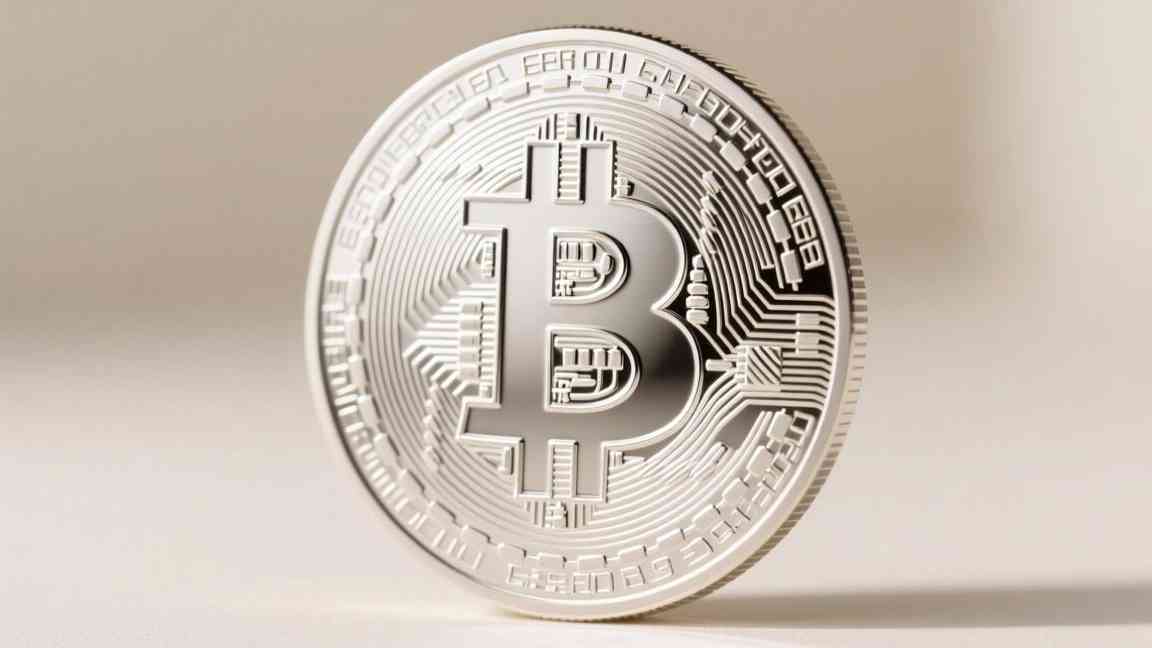
- Bitcoin: Created in 2009 by Satoshi Nakamoto, Bitcoin was the first decentralized digital currency (cryptocurrency) built on a blockchain. It enables peer-to-peer transactions without intermediaries like banks, leveraging blockchain’s immutability to prevent double-spending and ensure secure, transparent record-keeping of transactions. Bitcoin’s success laid the foundation for the entire blockchain ecosystem.
trong>Ethereum: Launched in 2015 by Vitalik Buterin, Ethereum introduced "smart contracts"—self-executing contracts with terms directly written into code. This expanded blockchain’s utility beyond currency, enabling decentralized applications (dApps) and platforms like DeFi (Decentralized Finance) and NFTs (Non-Fungible Tokens).
Supply Chain Management: Walmart and IBM’s Food Trust
Supply chains are complex, involving multiple stakeholders (suppliers, manufacturers, distributors, retailers) with fragmented data. Blockchain addresses this by creating a shared, immutable ledger.
A prime example is Walmart’s collaboration with IBM on the Food Trust blockchain. By tracking food products from farm to store, Walmart uses blockchain to enhance transparency and traceability. For instance, if a foodborne illness outbreak occurs, the system can trace the contaminated source in seconds (a process that once took days), reducing risks and improving consumer trust. This application demonstrates blockchain’s ability to streamline operations and ensure accountability in global supply chains.
Decentralized Finance (DeFi): Uniswap and Aave
DeFi aims to recreate traditional financial systems (banking, lending, trading) using blockchain, eliminating intermediaries and enabling permissionless access to financial services.
- Uniswap: A decentralized exchange (DEX) built on Ethereum, Uniswap uses smart contracts to facilitate peer-to-peer cryptocurrency trading without a central authority. It pioneered "automated market makers" (AMMs), allowing users to trade tokens directly from their wallets, with fees distributed to liquidity providers.
- Aave: A decentralized lending protocol, Aave allows users to lend or borrow cryptocurrencies algorithmically. Interest rates are dynamically adjusted based on supply and demand, and users can earn passive income by providing liquidity. DeFi platforms like these exemplify blockchain’s potential to democratize finance and increase financial inclusion.
Non-Fungible Tokens (NFTs): CryptoPunks and Bored Ape Yacht Club (BAYC)
NFTs are unique digital assets verified on a blockchain, representing ownership of items like art, collectibles, or virtual real estate.
- CryptoPunks: Launched in 2017 by Larva Labs, CryptoPunks are one of the first NFT collections, consisting of 10,000 unique 24x24 pixel art characters. They became a cultural phenomenon, with some pieces selling for millions of dollars, and laid the groundwork for the NFT market.
- Bored Ape Yacht Club (BAYC): Launched in 2021, BAYC is a collection of 10,000 Bored Ape NFTs, each granting access to an exclusive online community and metaverse perks. BAYC’s success highlights NFTs’ role in building digital communities and blending digital ownership with social experiences.
Healthcare: MedRec
In healthcare, patient data is often siloed across different providers, leading to inefficiencies and privacy risks. MedRec, a prototype developed by MIT, uses blockchain to create a secure, interoperable system for managing electronic health records (EHRs).
MedRec allows patients to grant access to their medical records to doctors, researchers, or insurance companies via blockchain-based smart contracts. Each interaction is recorded immutably, ensuring data integrity while giving patients control over their information. This application addresses critical challenges in healthcare data management, such as privacy, interoperability, and security.
Voting Systems: Voatz
Blockchain has the potential to revolutionize voting by enhancing security, transparency, and accessibility. Voatz is a mobile voting platform that uses blockchain to verify voter identity and encrypt ballots, ensuring votes are tamper-proof and auditable.
Piloted in several U.S. states and international elections, Voatz allows voters (including military personnel and overseas citizens) to cast ballots securely from their smartphones. While debates about scalability and accessibility continue, Voatz exemplifies blockchain’s potential to strengthen democratic processes by reducing fraud and increasing trust in election outcomes.
Conclusion
From cryptocurrencies to supply chains, healthcare, and voting, blockchain’s classic applications demonstrate its versatility to disrupt traditional systems. By leveraging decentralization, immutability, and transparency, blockchain is not just a technological innovation but a tool for building more efficient, secure, and inclusive systems across the globe. As the technology matures, we can expect even more groundbreaking applications to emerge, further solidifying blockchain’s role in shaping the future of industries worldwide.